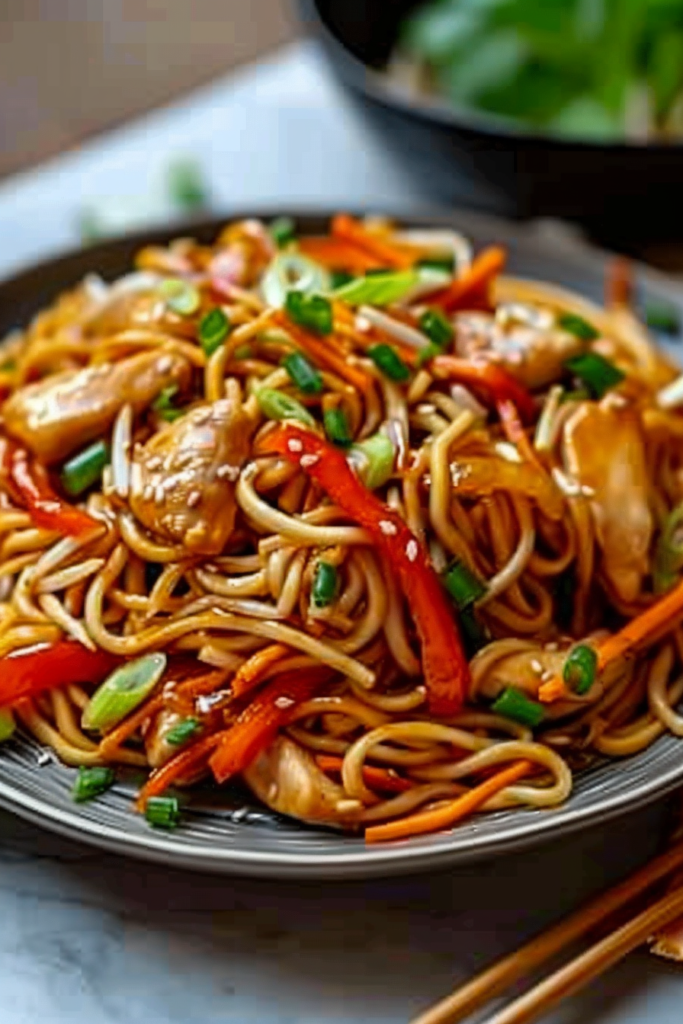
Kurczak Chow Mein Niesamowity Ostateczny to taki przepis, który ratuje wieczór, gdy masz ochotę na coś lepszego niż zwykły makaron z patelni, ale nie chcesz stać w kuchni pół nocy. W tym domowym wydaniu makaron jest sprężysty, warzywa zostają lekko chrupiące, a kurczak soczysty, otulony błyszczącym, wyrazistym sosem. Smak balansuje między słonym, lekko słodkim i delikatnie pikantnym, bez ciężkości typowej dla dań z dużą ilością sosu. To danie, które spokojnie zastąpi chińskie jedzenie na wynos, a przy tym pozwala kontrolować ilość oleju, soli i dodatków.
W części o tym, dlaczego Kurczak Chow Mein Niesamowity Ostateczny działa tak dobrze, opowiem, jak dobrać makaron, jak kroić kurczaka, oraz jak uzyskać tę charakterystyczną, lekko przyrumienioną powierzchnię bez profesjonalnego woka. Potem przejdziemy przez składniki, pokazując, które elementy są kluczowe dla smaku, a które możesz zamienić na to, co masz w lodówce. W części krok po kroku poprowadzę cię przez smażenie w odpowiedniej kolejności, aby makaron się nie sklejał, a warzywa nie zamieniły się w papkę. Na koniec dostaniesz wskazówki, jak przygotować danie z wyprzedzeniem, jak je odgrzewać, oraz jak podawać Kurczak Chow Mein Niesamowity Ostateczny tak, by na stole nie zostało ani jedno niteczko makaronu.
Why You Will Love Kurczak Chow Mein Niesamowity Ostateczny
Kurczak Chow Mein Niesamowity Ostateczny smakuje jak porządne danie z woka, tylko że zrobisz je w domu w około 30 minut. Sos ma wyraźny, ale zbalansowany charakter, słony od sosu sojowego, lekko słodki, z nutą sezamu i czosnku, z odrobiną ostrości, którą łatwo kontrolujesz. Kurczak pozostaje soczysty, bo smażysz go krótko w cienkich paskach, a nie męczysz na patelni do sucha. Warzywa są chrupiące, nie miękkie i smutne, bo trafiają na mocno rozgrzany tłuszcz tylko na kilka minut. Całość ma tę przyjemną, lekko ciągnącą się teksturę makaronu, który oblepia gęstszy sos, a nie pływa w nim.
Ten przepis na Kurczak Chow Mein Niesamowity Ostateczny jest bardzo praktyczny, bo wykorzystuje składniki, które łatwo kupisz w zwykłym markecie. Jeśli nie masz klasycznego makaronu chow mein, użyjesz makaronu jajecznego lub cienkiego spaghetti i nadal wyjdzie świetnie, o ile go nie rozgotujesz. Sos mieszasz w miseczce przed smażeniem, więc przy kuchence tylko wlewasz i mieszasz, zamiast nerwowo szukać butelek. Danie dobrze znosi podmiany warzyw, możesz wrzucić kapustę pekińską, marchew, paprykę, cukinię czy mrożony groszek, co pozwala wyczyścić lodówkę. Jedna patelnia lub wok, jeden garnek na makaron, mało zmywania i bardzo konkretna porcja jedzenia.
Kurczak Chow Mein Niesamowity Ostateczny dobrze sprawdza się także jako obiad z wyprzedzeniem, bo makaron i kurczak nie rozpadają się po odgrzaniu. Sos ma wystarczająco wyrazisty smak, żeby po podgrzaniu danie nie było nijakie, a kilka kropli świeżego sosu sojowego lub limonki tuż przed podaniem odświeża całość. Porcję dla dzieci zrobisz łagodną, a na talerz dorosłych możesz dodać płatki chili, olej chili lub więcej pieprzu. Danie świetnie przyjmuje dodatki z lodówki, na przykład resztki pieczonego kurczaka, boczek, tofu czy ugotowane brokuły, bez skomplikowanych przeliczeń. To taki przepis, który po jednym przygotowaniu robisz już z pamięci, a kuchnia pachnie jak mała domowa knajpka.
Ingredients and Flavor Notes
For Kurczak Chow Mein Niesamowity Ostateczny you want a short, honest list of ingredients that pull real weight in the pan. Start with chicken thighs if you can, sliced thin across the grain so they stay juicy under high heat, breast works too but needs very quick cooking. A simple marinade of soy sauce, a spoon of oil, a pinch of sugar, and a little cornstarch gives the chicken a velvety coat and deep savory flavor, skip the cornstarch and you lose that takeaway style tenderness. Use chow mein or thin egg noodles that can handle tossing in a hot wok, in a pinch spaghetti cooked firm and rinsed cold will behave well enough. The noodles should taste seasoned on their own before they hit the wok, so salt your cooking water lightly and do not overcook, they will finish in the pan.
The vegetable mix in Kurczak Chow Mein Niesamowity Ostateczny should give crunch, sweetness, and color without turning soggy. Shredded white or Chinese cabbage, carrot matchsticks, and sliced bell pepper cover most of the bases, you can swap in leek for onion, or use sugar snap peas when you have them. Bean sprouts and spring onions go in at the end, they keep their fresh bite and stop the dish from feeling heavy. If you like heat, add a sliced fresh chili or a pinch of chili flakes with the garlic, this blends into the sauce instead of shouting from the top. Keep the total vegetable volume reasonable, too many and the pan steams instead of stir fries.
The sauce for Kurczak Chow Mein Niesamowity Ostateczny stays simple, but each bottle matters. Use a mix of light soy sauce for salt, dark soy for color and a deeper note, and a bit of oyster sauce for that glossy takeaway taste, vegetarian oyster or mushroom sauce works if you avoid seafood. A teaspoon of sugar and a few drops of toasted sesame oil round things out, the sugar softens the salt, and the sesame oil goes in right at the end so it smells nutty instead of burnt. A small splash of chicken stock or even water loosens the sauce so it coats the noodles instead of clumping. Taste the sauce before it hits the wok, it should taste slightly stronger than you like, the noodles and vegetables will calm it down.
How to Make Kurczak Chow Mein Niesamowity Ostateczny domowy przepis
Start by prepping everything before you turn on the heat, because Kurczak Chow Mein Niesamowity Ostateczny cooks fast once the pan is hot. Slice the chicken into thin strips across the grain, about the width of a pencil, so it stays tender and cooks evenly. Toss it with a spoon of soy sauce, a pinch of sugar, a drizzle of oil, and a little cornstarch, then let it sit while you cut the vegetables. Shred the cabbage, slice the carrots into thin matchsticks, and cut the peppers and spring onions into slim strips, so they can cook in just a couple of minutes. Boil the chow mein noodles until just shy of done, then rinse under cold water and drain very well, so they fry instead of steaming in the wok.

Heat a large wok or wide pan over high heat until it almost smokes, then swirl in a thin layer of neutral oil. Add the marinated chicken in a single layer and let it sear for a minute before you stir, so it gets a little browning and keeps its juices. Stir fry until just cooked through, then scrape it out to a warm plate, including any tasty bits stuck to the pan. Add a touch more oil, toss in garlic and ginger, and stir for only 20 to 30 seconds until fragrant, then add the firm vegetables like carrots and peppers. Fry them briskly so they stay crisp tender, not floppy, then add the cabbage and any quicker cooking veg, and cook just until they start to wilt.
Return the chicken to the wok, add the drained noodles, and pour in your sauce mixture of soy sauce, a little oyster sauce, sesame oil, and a splash of water or stock. Use tongs or chopsticks to lift and turn the noodles, so they pick up the sauce and some edges catch slightly on the hot pan. If the noodles clump, loosen them with a spoon of hot water rather than more oil, and keep the heat high so the Kurczak Chow Mein Niesamowity Ostateczny stays glossy, not greasy. Taste and adjust with more soy for salt, a pinch of sugar if it feels flat, or a dash of rice vinegar for brightness. Finish with sliced spring onions and a sprinkle of toasted sesame seeds, then serve the Kurczak Chow Mein Niesamowity Ostateczny straight from the wok while it is piping hot and still has that slight smoky edge.
Make-Ahead, Storage, and Serving Tips
If you want to get ahead with Kurczak Chow Mein Niesamowity Ostateczny, start by prepping the slow parts early. Slice the chicken, cabbage, and peppers, then store them in separate airtight containers in the fridge for up to 24 hours. You can also whisk the sauce in advance, but keep it chilled and give it a good stir before cooking because the starch will settle at the bottom. Cook the noodles just to al dente, rinse quickly under cold water, toss with a teaspoon of oil, and they will hold well for a few hours without clumping. When you are ready to cook, you only need 10 to 12 minutes at a hot pan to bring everything together.
Kurczak Chow Mein Niesamowity Ostateczny keeps well if you treat it like a stir fry, not a stew. Cool leftovers quickly in a shallow dish, then transfer to an airtight container and refrigerate for up to 3 days. Reheat portions in a hot pan with a splash of water or stock, stirring just until the noodles loosen and the chicken is steaming hot, usually 3 to 4 minutes. The microwave works in a pinch, but cover the bowl and stir halfway so the noodles do not dry out at the edges. Avoid freezing if you can, because the vegetables lose their crunch and the noodles turn a bit mealy.
For troubleshooting, remember that Kurczak Chow Mein Niesamowity Ostateczny lives or dies by heat and timing. If the noodles clump, separate them with damp hands before they hit the pan and add a teaspoon of oil around the edges of the wok, not straight on top. If the dish tastes flat, add a small splash of soy sauce and a squeeze of lime or lemon at the end, rather than more salt. When the sauce looks too thick and sticky, loosen it with 1 to 2 tablespoons of hot water while tossing over high heat. If the chicken turns dry, cut it thinner next time and cook it just to opaque, then pull it out while you stir fry the vegetables.
You can customize Kurczak Chow Mein Niesamowity Ostateczny to match what you have in the fridge without losing its character. Swap part of the chicken for shrimp or tofu, but cook them separately and fold them in at the end so they do not overcook. Use any crisp vegetables you like, such as carrots, snap peas, or thin broccoli stems, and cut everything to similar thickness so it cooks in the same 3 to 4 minute window. For serving, pile the chow mein high on a warm platter, then finish with sliced spring onions, toasted sesame seeds, and a drizzle of chili oil for heat lovers. Pair it with a simple cucumber salad or quick pickled radish to cut through the richness and make the whole meal feel lighter.
Q: How far in advance can I prep Kurczak Chow Mein Niesamowity Ostateczny?
A: You can prep most parts of Kurczak Chow Mein Niesamowity Ostateczny up to 24 hours ahead. Slice the chicken and vegetables, then store them separately in airtight containers in the fridge. Mix the sauce and keep it chilled, giving it a stir before cooking. Cook and cool the noodles the same day you plan to serve, ideally no more than 6 hours in advance. When it is time to cook, you only need to heat the pan and combine everything in quick stages.
Q: How do I keep the noodles from getting soggy or mushy?
A: To keep Kurczak Chow Mein Niesamowity Ostateczny noodles firm, cook them 1 to 2 minutes less than the package suggests. Rinse briefly under cold water to stop the cooking, then toss with a little neutral oil so they do not stick. Add them to the pan only after the chicken and vegetables are cooked and the sauce is ready. Stir fry over high heat for just 1 to 2 minutes, long enough to coat and heat through. Avoid reheating the dish multiple times, because every reheat softens the noodles more.
Q: What is the best way to reheat leftovers?
A: The best way to reheat Kurczak Chow Mein Niesamowity Ostateczny is in a hot pan or wok. Add a teaspoon of oil and a tablespoon of water, then toss the cold noodles and chicken over medium high heat until steaming. Break up any clumps with tongs or chopsticks instead of mashing with a spoon. Taste and add a splash of soy sauce or a few drops of sesame oil if the flavor faded in the fridge. Reheat only what you plan to eat so the texture stays as close to fresh as possible.
Q: How can I adjust the recipe for different diets?
A: Kurczak Chow Mein Niesamowity Ostateczny adapts easily to several dietary needs. For a lighter version, use more vegetables and reduce the oil slightly, keeping the pan hot so nothing stews. For a lower sodium plate, use reduced salt soy sauce and add more garlic, ginger, and a squeeze of citrus to keep the flavor bright. To make it dairy free, you usually do not need any changes, since classic chow mein contains no dairy. For a gluten free approach, choose gluten free noodles and tamari instead of regular soy sauce, and check that any stock or sauces you add are certified gluten free.
FAQ
-
Czy mogę użyć innego makaronu do Kurczak Chow Mein Niesamowity Ostateczny?
Tak, jeśli nie masz klasycznego makaronu chow mein, użyj cienkiego makaronu jajecznego albo nawet spaghetti ugotowanego al dente. Najważniejsze, aby makaron był sprężysty, nie rozgotowany, bo inaczej sos wsiąknie i danie zrobi się ciężkie. Po ugotowaniu odcedź go, przepłucz szybko zimną wodą i dobrze osusz. Przed smażeniem możesz wymieszać makaron z łyżeczką oleju sezamowego, wtedy nitki się nie skleją na patelni. -
Jakie mięso najlepiej sprawdzi się w Kurczak Chow Mein Niesamowity Ostateczny?
Najbardziej soczysty będzie kurczak z uda bez kości, pokrojony w cienkie paski w poprzek włókien. Pierś z kurczaka też się nada, ale trzeba ją krótko smażyć na dużym ogniu, aby nie wyschła. Dobrze jest zamarynować mięso choćby na 15 minut w sosie sojowym, odrobinie skrobi ziemniaczanej i oleju. Dzięki temu kurczak zostanie miękki, lekko szklisty i lepiej wchłonie smak sosu chow mein. -
Jak uniknąć rozmokniętych warzyw w Kurczak Chow Mein Niesamowity Ostateczny?
Pokrój wszystkie warzywa w cienkie, równe paski, aby smażyły się szybko i równomiernie. Patelnię lub wok mocno rozgrzej, aż olej zacznie lekko dymić, dopiero wtedy wrzuć warzywa. Zaczynaj od twardszych, jak marchewka i kapusta, a na końcu dodaj kiełki, dymkę i delikatne liście. Smaż krótko, mieszając, tak aby warzywa zostały chrupkie i kolorowe, nie miękkie i blade. -
Jak przechowywać i odgrzewać Kurczak Chow Mein Niesamowity Ostateczny?
Gotowe danie wystudź, przełóż do szczelnego pojemnika i wstaw do lodówki, najlepiej nie dłużej niż na 2 dni. Przy odgrzewaniu na patelni dodaj 1 lub 2 łyżki wody albo bulionu, aby makaron się rozluźnił i nie był suchy. Smaż na średnim ogniu, aż kurczak będzie gorący w środku, a makaron znów lekko sprężysty. W mikrofalówce przykryj danie pokrywką lub talerzem, podgrzewaj krótkimi seriami i przemieszaj między nimi, aby sos rozszedł się równomiernie.
Conclusion
Kurczak Chow Mein Niesamowity Ostateczny to danie, które nagradza za odrobinę organizacji i dokładności. Najważniejsze elementy to dobrze zamarynowany kurczak, sprężysty makaron usmażony na mocnym ogniu oraz warzywa, które wciąż lekko chrupią. Jeśli wszystko pokroisz równo, przygotujesz sos przed smażeniem i dobrze rozgrzejesz patelnię, danie wyjdzie aromatyczne i pełne smaku, bez śliskiego sosu i rozgotowanych składników. Warto pamiętać, aby nie przeładowywać patelni, bo wtedy zamiast smażyć zaczniesz gotować.
Kurczak Chow Mein Niesamowity Ostateczny świetnie znosi modyfikacje, więc śmiało wymieniaj warzywa, reguluj ostrość i poziom słoności, a nawet podmieniaj rodzaj makaronu, jeśli trzeba. Z czasem wyrobisz własny rytm pracy, w którym krojenie, smażenie i doprawianie pójdą jak z taśmy, a całe danie zamkniesz w 25 minut. Podawaj od razu po usmażeniu, z odrobiną świeżej cebulki i sezamu, kiedy makaron jest jeszcze jędrny, a sos lśni na każdym kęsie. To ten moment, gdy domowa kuchnia naprawdę wygrywa z pudełkiem na wynos.
Recipe
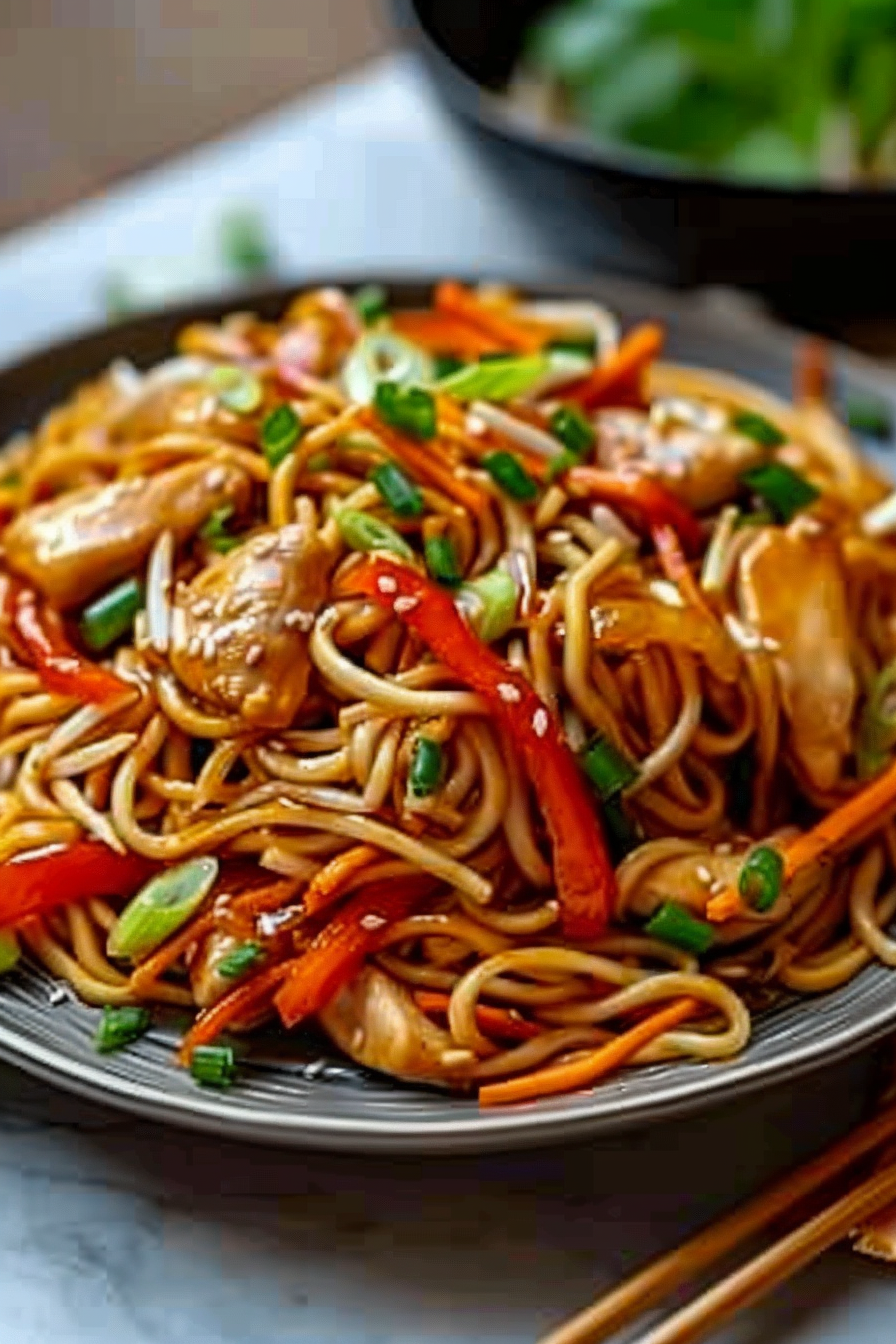
Kurczak Chow Mein Niesamowity Ostateczny domowy przepis
Ingredients
Method
- W misce wymieszaj składniki marynaty: 1 łyżę sosu sojowego, 1 łyżę oleju roślinnego, 1 łyżeczkę cukru i 1 łyżę skrobi kukurydzianej. Dodaj paski kurczaka, dokładnie obtocz i odstaw na minimum 10 minut w temperaturze pokojowej.
- W dużym garnku zagotuj wodę z 2 łyżeczkami soli. Ugotuj makaron zgodnie z instrukcją na opakowaniu, ale 1–2 minuty krócej, aby był al dente. Odcedź, przepłucz krótko zimną wodą, dobrze odsącz i odstaw.
- W małej misce przygotuj sos: wymieszaj jasny sos sojowy, ciemny sos sojowy, sos ostrygowy, olej sezamowy, brązowy cukier, bulion lub wodę oraz 1 łyżeczkę skrobi kukurydzianej. Mieszaj, aż skrobia się rozpuści, odstaw.
- Rozgrzej dużą patelnię lub wok na wysokim ogniu. Dodaj 1 łyżę oleju. Gdy olej będzie bardzo gorący, wrzuć zamarynowanego kurczaka w jednej warstwie. Smaż 3–4 minuty, mieszając od czasu do czasu, aż mięso się przyrumieni i będzie usmażone w środku. Przełóż kurczaka na talerz.
- Na tę samą patelnię dodaj pozostałą 1 łyżę oleju. Wrzuć czosnek, imbir i ewentualnie świeżą papryczkę chili lub płatki chili. Smaż około 30 sekund, aż zaczną intensywnie pachnieć, uważając, by ich nie przypalić.
- Dodaj cebulę lub por, kapustę, marchewkę i paprykę. Smaż na dużym ogniu 3–4 minuty, często mieszając, aż warzywa zmiękną, ale nadal będą chrupiące. Jeśli patelnia jest przepełniona, smaż warzywa partiami, aby uniknąć duszenia.
- Dodaj na patelnię ugotowany makaron i usmażonego kurczaka. Wlej przygotowany sos, dokładnie wymieszaj szczypcami lub dwoma łopatkami, aby makaron równomiernie pokrył się sosem. Smaż 2–3 minuty, aż sos zgęstnieje i oblepi makaron, a całość będzie gorąca.
- Dodaj kiełki fasoli i większość pokrojonej dymki (trochę zostaw do posypania). Mieszaj jeszcze 1 minutę, aby kiełki lekko zmiękły, ale pozostały chrupiące. Dopraw świeżo mielonym pieprzem do smaku.
- Zdejmij patelnię z ognia, posyp resztą dymki. Podawaj od razu, opcjonalnie z dodatkowym sosem sojowym lub kilkoma kroplami soku z limonki.
Notes
Makaron gotuj al dente; rozgotowany łatwo się rozpada i skleja podczas smażenia.
Kurczak z udek jest bardziej wybaczający niż pierś i pozostaje soczysty nawet przy wysokiej temperaturze.
Warzywa możesz dowolnie podmieniać: kapustę pekińską, cukinię, groszek cukrowy, brokuły czy mrożony groszek dodawaj w podobnych ilościach.
Danie dobrze się odgrzewa na suchej patelni lub z odrobiną wody; unikaj długiego podgrzewania w mikrofalówce, by makaron się nie rozpadł.